
Table Of Contents
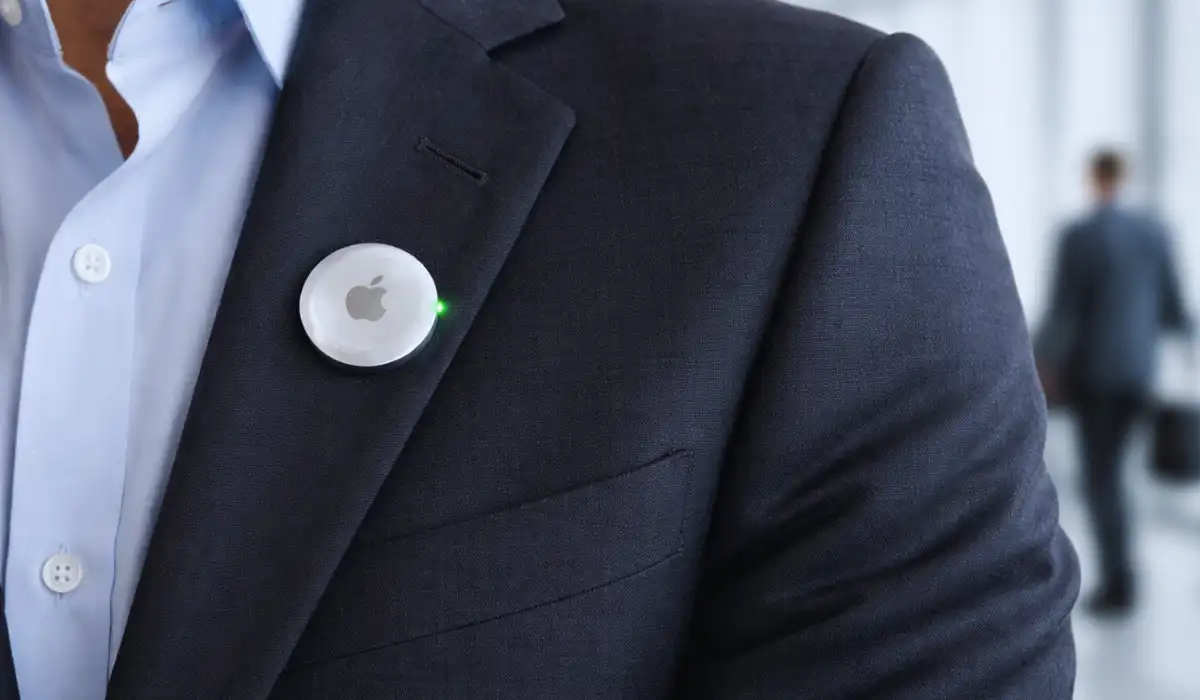
Apple is quietly exploring a new kind of device that could reshape how people interact with artificial intelligence. According to a report from The Information, the company is developing the Apple AI Wearable Pin, an AI-powered device designed to clip onto clothing and deliver hands-free assistance. Although the project remains in early development, it clearly signals Apple’s growing interest in moving AI beyond screens and into everyday life.
A Small Device With a Big Vision
At first glance, the Apple AI Wearable Pin sounds simple. It is reportedly about the size of an AirTag, making it easy to wear without adding bulk. However, Apple is aiming much higher than convenience alone. Instead of relying on a screen, the AI Wearable Pin would respond to voice and context, allowing users to interact naturally as they move through their day.
In other words, Apple wants AI to feel less like an app and more like a quiet helper that is always available. As a result, users may no longer need to pull out a phone just to ask a quick question or get timely information.
What Apple May Build Into the Pin
To make this possible, Apple is reportedly testing a mix of cameras, microphones, and a small speaker. The cameras would allow the device to visually understand the surrounding environment, while the microphones would capture voice commands and ambient sound. Meanwhile, the speaker would deliver spoken responses, alerts, or confirmations.
From a design standpoint, Apple is expected to stick with its familiar minimalist approach, likely using aluminum and glass. In addition, the pin may support wireless charging through a magnetic system similar to the Apple Watch. Together, these choices suggest Apple is focused on making the device both functional and unobtrusive.
Apple AI Wearable Pin in Daily Use
- Complements Apple devices: Works alongside the iPhone and Apple Watch, not as a replacement.
- Hands-free navigation: Lets users ask for directions while on the move.
- Smart reminders: Delivers timely prompts during daily routines.
- Context-aware help: Offers suggestions based on surroundings.
- Voice-first experience: Feels natural and less distracting.
- Advanced AI + Siri: Uses Apple’s evolving AI platform for real-time responses.
Why Apple Is Looking Beyond Screens
At the same time, Apple’s exploration of an AI-first wearable reflects a broader industry shift. Smartphones still dominate, but many technology leaders believe the next wave of innovation will focus on ambient computing. That means technology works quietly in the background instead of demanding constant attention.
While other companies have already tried AI wearables with mixed success, Apple brings a key advantage: its ecosystem. Because Apple controls the hardware, software, and custom chips, it can tightly optimize performance, battery life, and user experience. Consequently, Apple may have a better chance of making an AI pin feel useful rather than gimmicky.
Privacy Will Shape the Final Product
However, a wearable with cameras and microphones also raises serious privacy questions. Apple understands this challenge and has consistently positioned privacy as a core value. Therefore, any AI pin would likely rely heavily on on-device processing, reducing the need to send sensitive data to the cloud.
In addition, Apple would almost certainly include clear indicators, physical controls, and transparent permissions. Without these safeguards, user trust would be difficult to earn.
What This Means for Apple’s Direction
Ultimately, the rumored AI Wearable Pin reveals how Apple is thinking about the future. Rather than treating AI as just another feature, Apple appears to be designing hardware built around intelligence itself. More importantly, the company seems focused on creating technology that adapts to people, not the other way around.
Whether the AI pin ever ships or not, Apple is clearly testing how far it can push AI into everyday life-quietly, thoughtfully, and with as little friction as possible.
Also Read: Apple iPhone iOS 26 Backlash
